Quick Summary
Discover how e-commerce chatbots enhance customer experience, increase sales, and automate support. Learn practical steps to integrate AI-driven chatbots and explore further resources on our blog for more insights.
Revolutionize Your E-commerce Store with Chatbots
Imagine visiting an online store and immediately being greeted by a helpful chatbot, ready to assist with product recommendations, order tracking, and even handling customer service inquiries. E-commerce chatbots like these are already changing the way online businesses interact with customers.
But how can these examples work for your business? What if integrating a chatbot into your e-commerce site could enhance customer service, increase sales, and streamline your operations?
In this Chatling article, we'll take a look at various e-commerce chatbot examples and discuss how these powerful tools can transform your online store. By understanding their impact, you can begin reaping the rewards of AI-driven customer support for your e-commerce business.
Why Listen to Us?
At Chatling, we specialize in providing AI-powered chatbot solutions for e-commerce businesses. Our easy-to-integrate platform allows you to offer 24/7 customer support, increase conversions, and drive sales—all while reducing operational costs.
We’ve helped numerous businesses streamline their processes and elevate their customer service, and we’re here to help you do the same.

What are E-commerce Chatbots?
E-commerce chatbots are AI-driven tools designed to automate customer interactions on e-commerce websites. They can handle a range of tasks, from answering common questions to assisting customers in making purchasing decisions. By integrating a chatbot into your e-commerce store, you can offer personalized experiences, manage high traffic volumes, and reduce the need for a large customer service team.
Here are some e-commerce chatbot examples that illustrate how businesses can use this technology to boost customer experience and sales:
- Product Recommendation Chatbots: These chatbots act as virtual shopping assistants, suggesting products based on a customer’s preferences, previous purchases, or browsing history. By doing so, they streamline the shopping process and boost conversion rates. Platforms like Tidio and Chatling can personalize recommendations based on customer data.
- Order Tracking Chatbots: These bots keep customers informed by sending real-time updates about their orders, reducing the need for manual tracking by support teams. For example, Zendesk Answer Bot sends automated messages about order status.
- Customer Service Chatbots: Providing 24/7 support, these bots can instantly respond to inquiries about product availability, return policies, and shipping, offering customers immediate assistance.
- Cart Abandonment Chatbots: These bots re-engage customers who left items in their cart, offering reminders or discounts to encourage them to complete their purchase. For example, Shopify Chatbot sends targeted messages with special offers.
- Customer Feedback Chatbots These bots automatically collect reviews and feedback, providing valuable insights to improve products and services.
Read Next: A 2026 Playbook to Master eCommerce Customer Service
Benefits of E-commerce Chatbots
- Reduced Human Error: Chatbots handle repetitive tasks with precision, eliminating human errors and providing consistent, reliable service.
- Improved Customer Retention: By offering continuous support and personalized experiences, chatbots help build stronger customer relationships.
- Data Collection and Insights: Chatbots collect valuable data on customer behavior and preferences, helping businesses refine their strategies.
- Lead Generation: Chatbots can qualify leads, ask relevant questions, and gather important information for future follow-ups.
- Multilingual Support: Some chatbots offer multilingual capabilities, enabling businesses to provide support to a global audience.
Read Next: How an AI Chatbot for E-Commerce Can Enhance Your Customer Experience
How to Implement E-commerce Chatbots
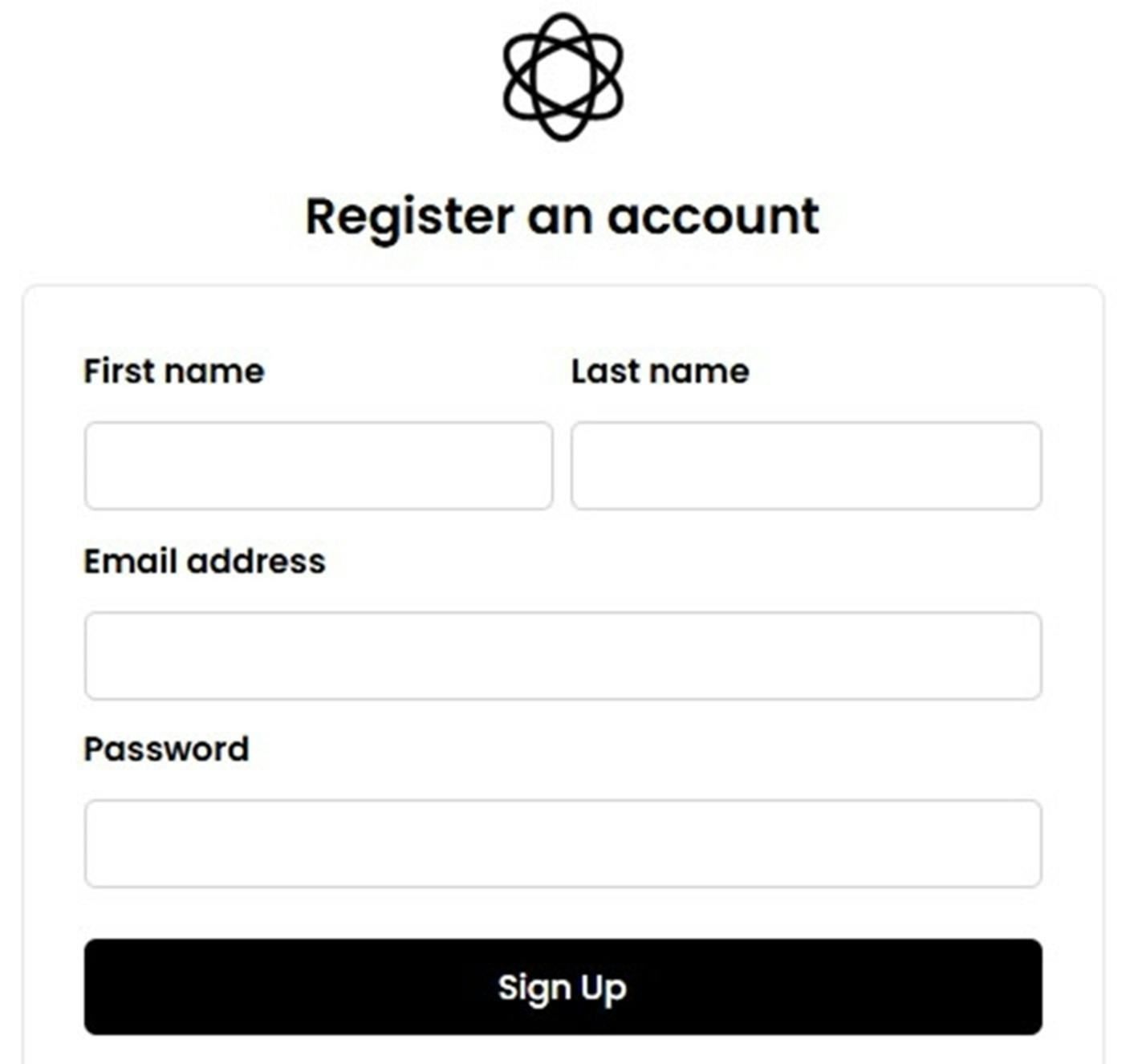
Step 1: Sign up for a Chatbot Service
Choose a chatbot platform like Chatling, which integrates seamlessly with e-commerce platforms. Sign up and create an account to get started.
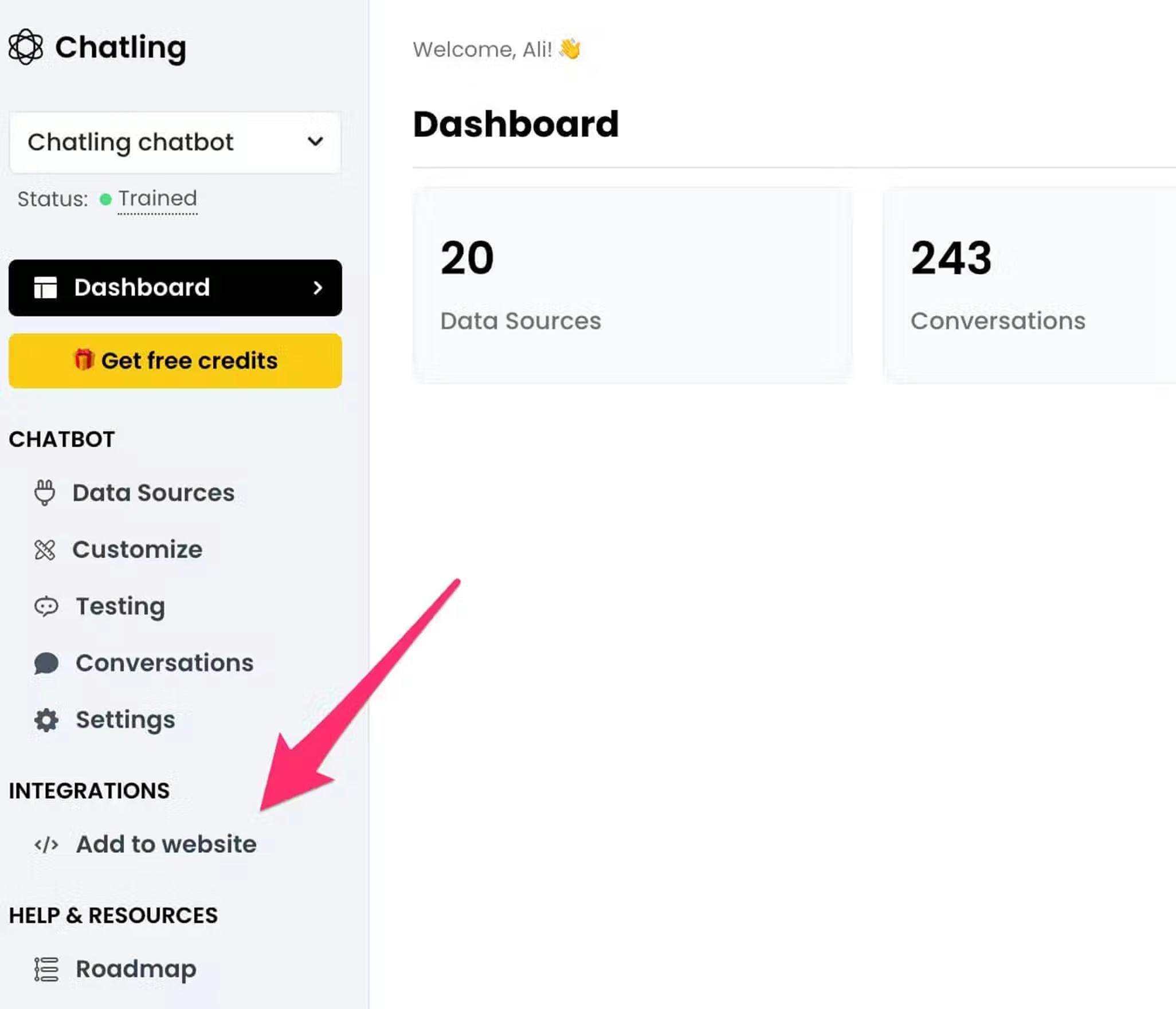
Step 2: Navigate to "Add to Website"
Next, navigate to the "Add to Website" section in the Chatling dashboard.
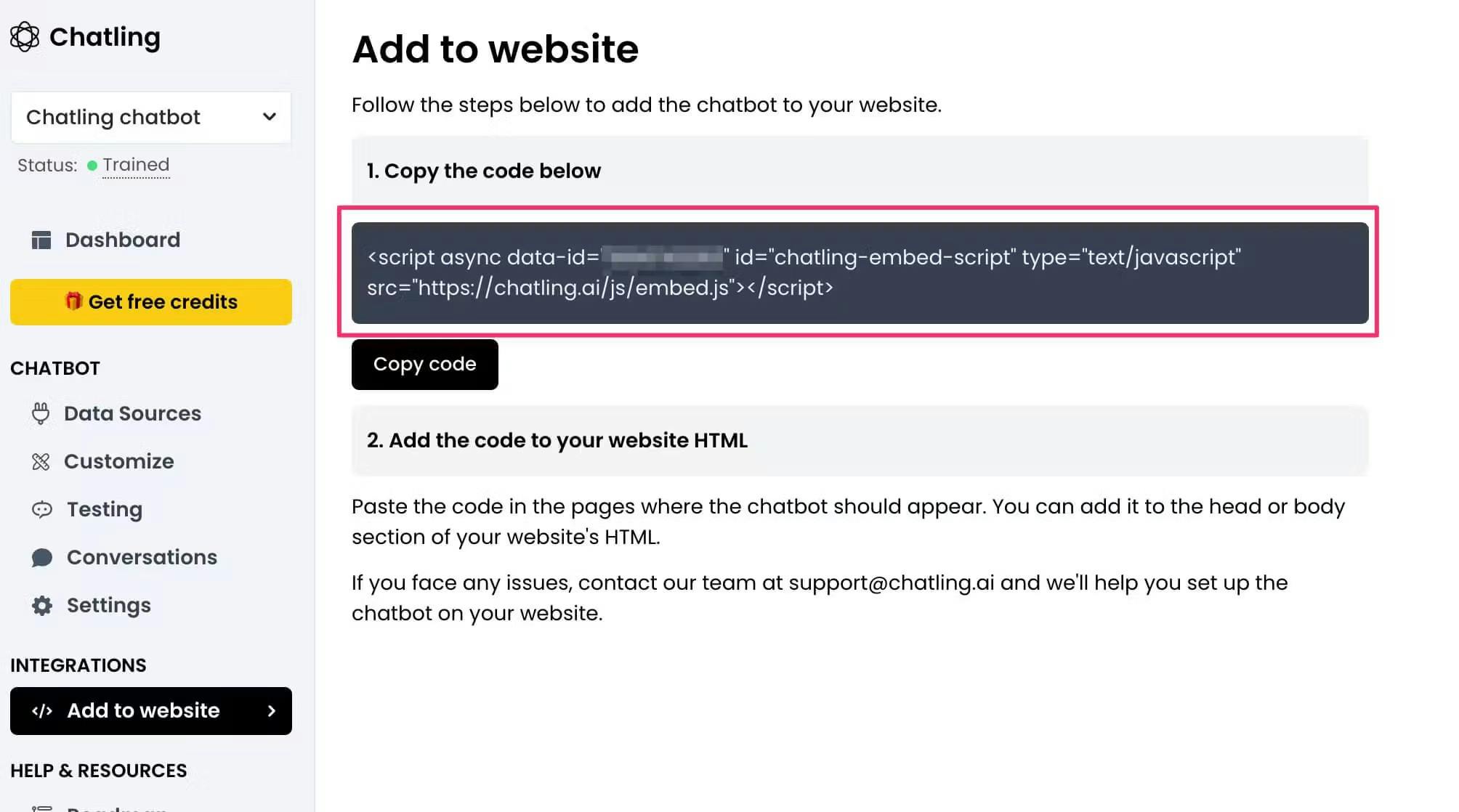
This will take you to the page where you can copy the HTML embed code for the chatbot. Simply copy this embed code and keep it ready for the next step.
Step 3: Integrate the Chatbot into Your Website
Follow the platform’s integration guide to add the chatbot to your website. This usually involves copying and pasting an embed code into your site's code.
Step 4: Customize Your Chatbot
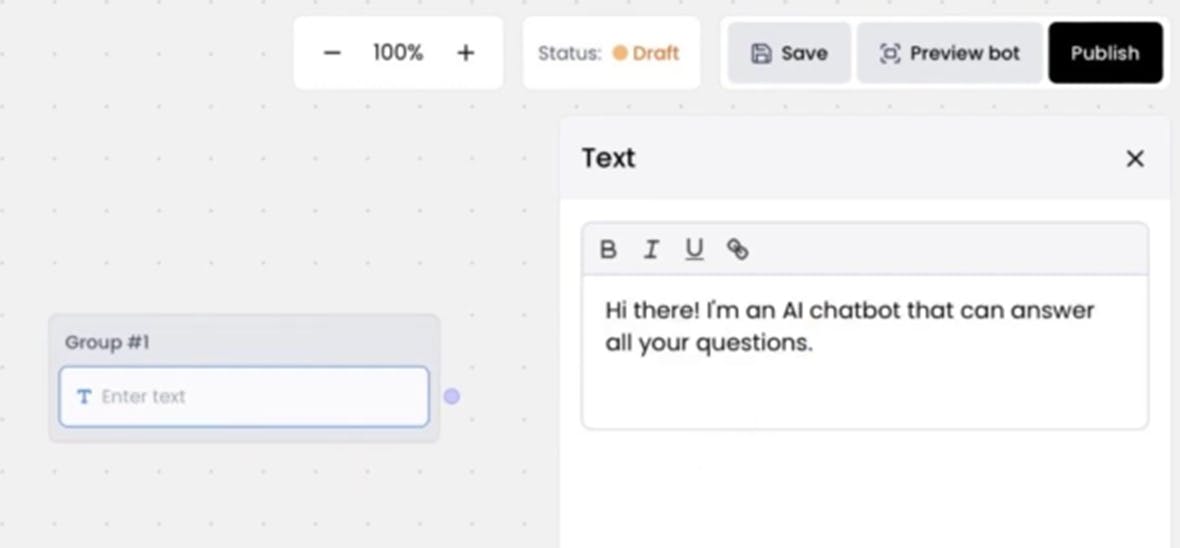
After embedding the code, configure the core features of the chatbot. Link your product catalog to Chatling for personalized product recommendations. Enable order tracking by connecting Chatling with your order management system so customers can receive real-time updates. Create FAQ templates to address common customer inquiries, set up cart abandonment flows to recover lost sales, and gather feedback through automated surveys or review prompts.
Step 5: Monitor and Improve
Once your chatbot is live, monitor its performance and analyze the conversations. Use insights to continuously improve your chatbot’s responses and capabilities.
Read Next: Chatbot Integration for E-Commerce: What You Need to Know
Integrate Chatbots Today and Improve Customer Experience and Sales
E-commerce chatbots have the potential to transform how businesses interact with customers. With examples like product recommendations, order tracking, and customer service automation, chatbots can reduce workloads, improve efficiency, and boost conversions. Ready to integrate a chatbot into your online store?
Sign up for Chatling today and begin enhancing your e-commerce store with the power of AI-driven customer support!
Read Next: 10 Best E-Commerce Chatbots to Drive Sales and Improve Customer Experience
Frequently Asked Questions
What is an e-commerce chatbot?
An e-commerce chatbot is an AI-powered tool that communicates with shoppers on an online store. It can answer product and order questions, provide recommendations, offer customer support, collect leads, and help customers move through the buying process.
How do chatbots help e-commerce?
E-commerce chatbots can provide instant customer support, answer common questions, recommend products, help with order-related questions, collect customer information, and automate repetitive tasks. They can also support shoppers outside normal business hours, helping businesses handle more customer interactions without adding the same workload to their support teams.
What can an e-commerce chatbot do?
An e-commerce chatbot can answer FAQs, recommend products, collect leads, qualify prospects, help customers with support questions, and guide shoppers through specific workflows. Depending on how it is configured, it can also connect with other systems and take actions rather than only responding to questions.
How do I add a chatbot to my e-commerce website?
To add a chatbot to an e-commerce website, choose a chatbot platform, configure the chatbot for your store, connect the information it needs, customize its conversation experience, and embed it on your website. With a no-code platform such as Chatling, you can deploy the chatbot through the website widget without building the integration from scratch. Chatling supports deployment on platforms including Shopify, WordPress, Wix, Squarespace, Webflow, and custom websites.
Can an e-commerce chatbot increase sales?
Yes. An e-commerce chatbot can support sales by recommending products, answering questions that may prevent a purchase, collecting leads, and guiding shoppers through the buying process. Chatling's AI Agents can also qualify prospects, capture contact information, collect qualifying information, and send leads to a CRM.
What is the best chatbot for e-commerce?
The best e-commerce chatbot depends on what you need it to handle, such as product recommendations, customer support, lead generation, or order-related questions. Chatling is an option for businesses that want an AI chatbot that can answer customer questions, use their knowledge base, capture leads, and support customer-facing workflows.